From opening a new bench to keeping 18 wire saws cutting every shift — we build the complete quarry cutting system, not just sell the machine.
Quarrying is where a cutting system either works or fails, and the failure is never a single product. Machine stability, rail positioning, wire specification, pulley layout, water supply and operator method all decide your cost per cubic meter. We evaluate the whole system against your rock, your bench geometry and your site conditions.
Four areas, delivered as one cutting system rather than four separate purchases.
Wire saw machines from 55kW to the 75kW permanent-magnet drive, paired with diamond wire matched to your stone. This is the core of most quarry operations.
DTH drilling machines, crawler drills, rock drills, plus the compressors and generators that keep them running. Blast-hole drilling is where quarry development starts.
Circular blade saw machines and chain saw machines for marble and softer stone, with the accessories, spare parts and consumables to keep both machines cutting.
Bead type, diamond concentration, bond hardness and joint style selected against your material — then validated on site, not on a spec sheet.
Machine power, drive type and wire specification are set together. The machine sets the duty and the wire has to suit both that duty and the stone — specifying one without the other is the most common reason a quarry loses cutting efficiency.
Water supply, power availability, bench geometry, shift pattern and crew experience all change the result. We stay involved after delivery: wire adjustments, pulley layout and troubleshooting on the bench, not just a delivery note.
Selection follows from your material, machine power and site conditions — these are the platforms we draw from, not a fixed package.
Documented quarry projects, each written up in the same six-part structure.
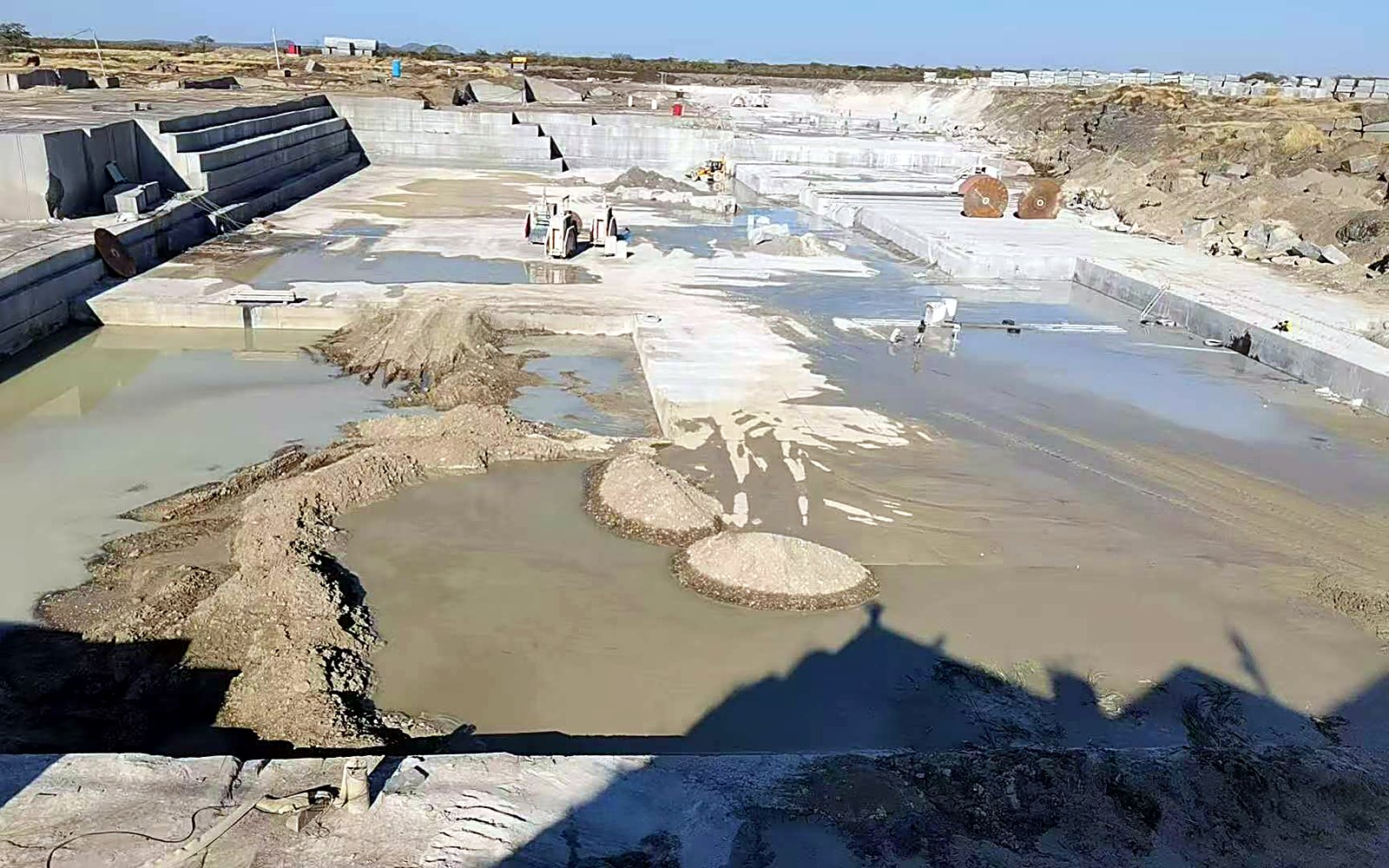
Quarry bench cutting — hard black granite
Read the case →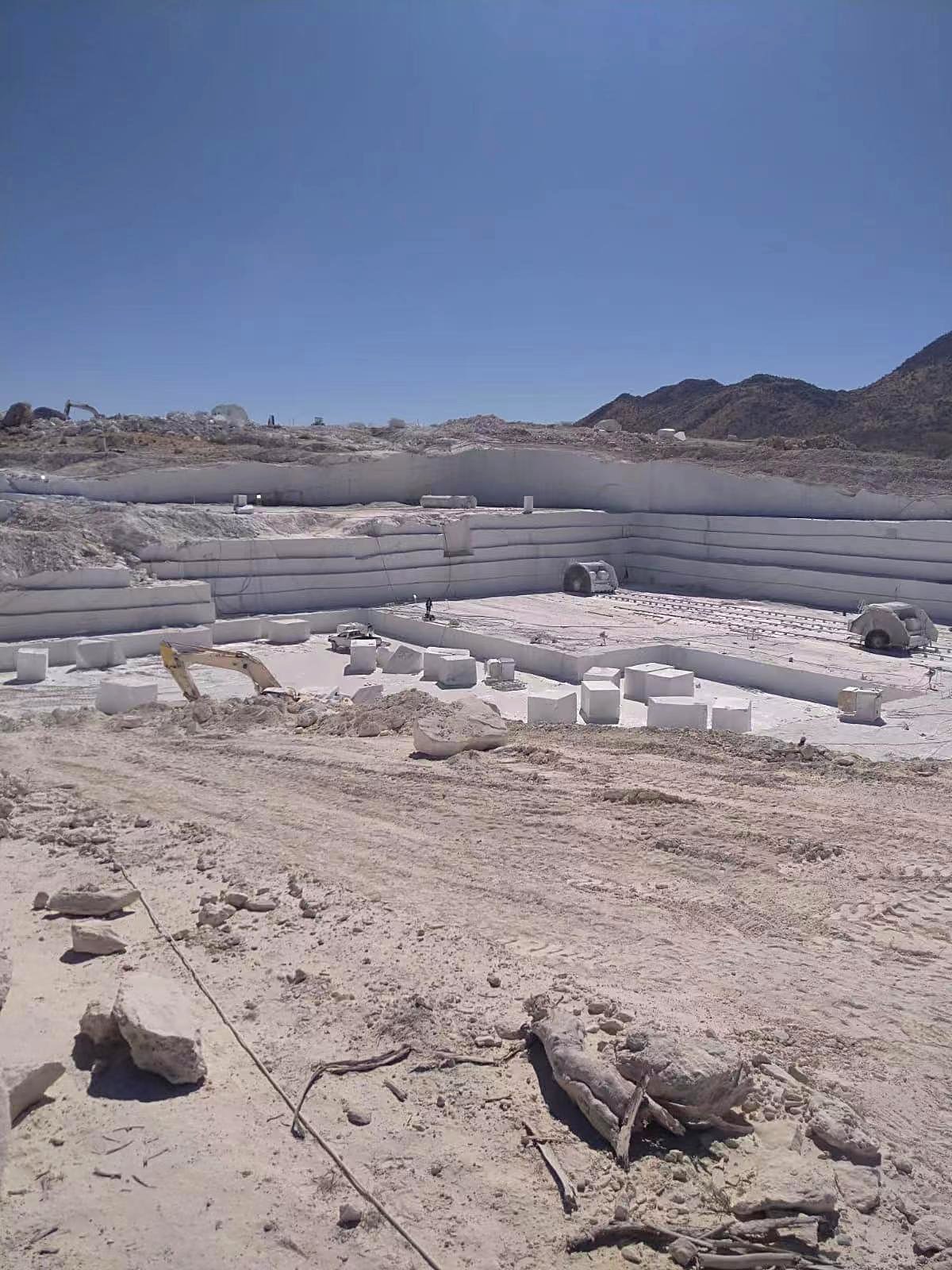
White dolomite block production — a 16-year partnership
Read the case →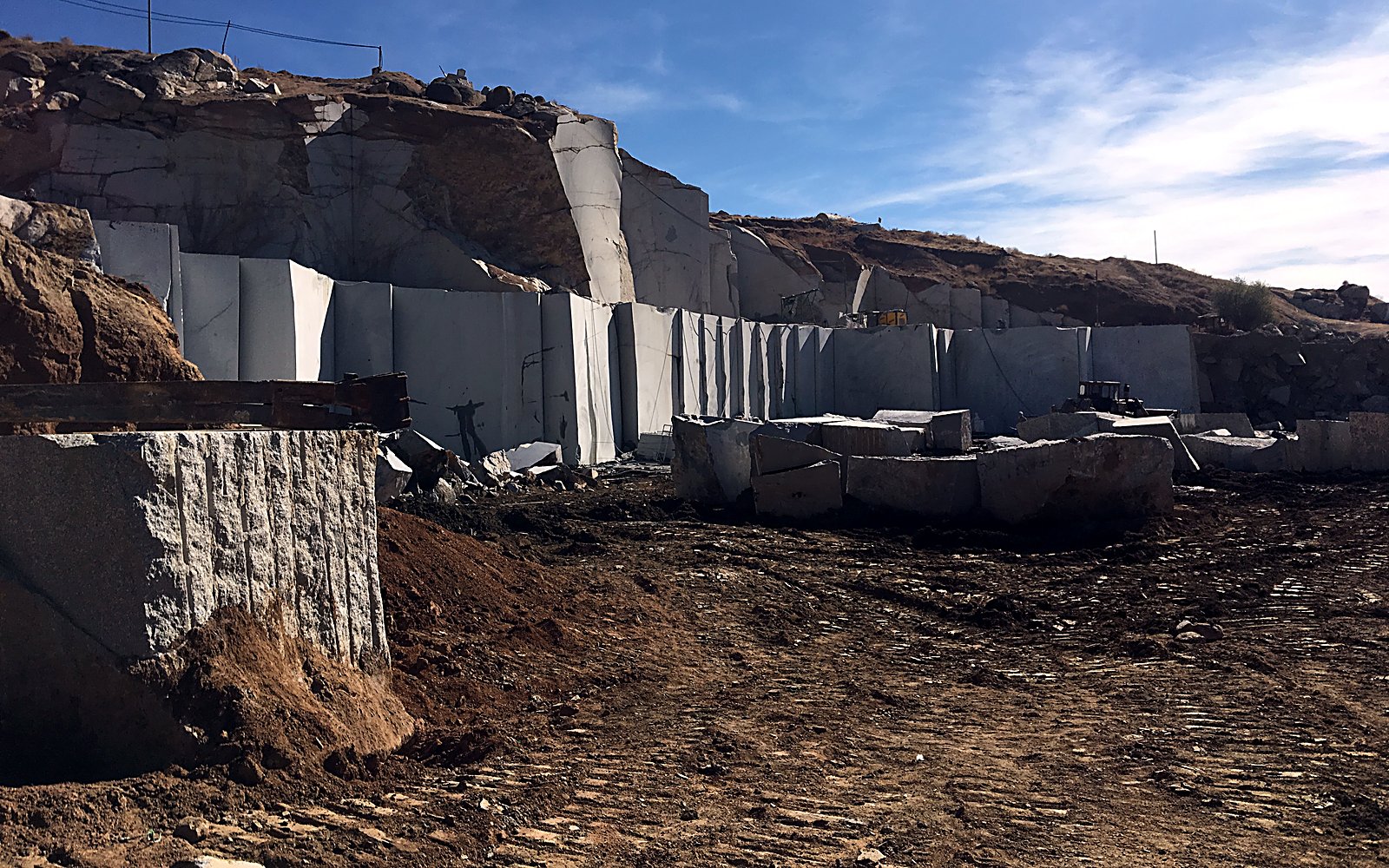
Abrasive granite, uptime-led operation
Read the case →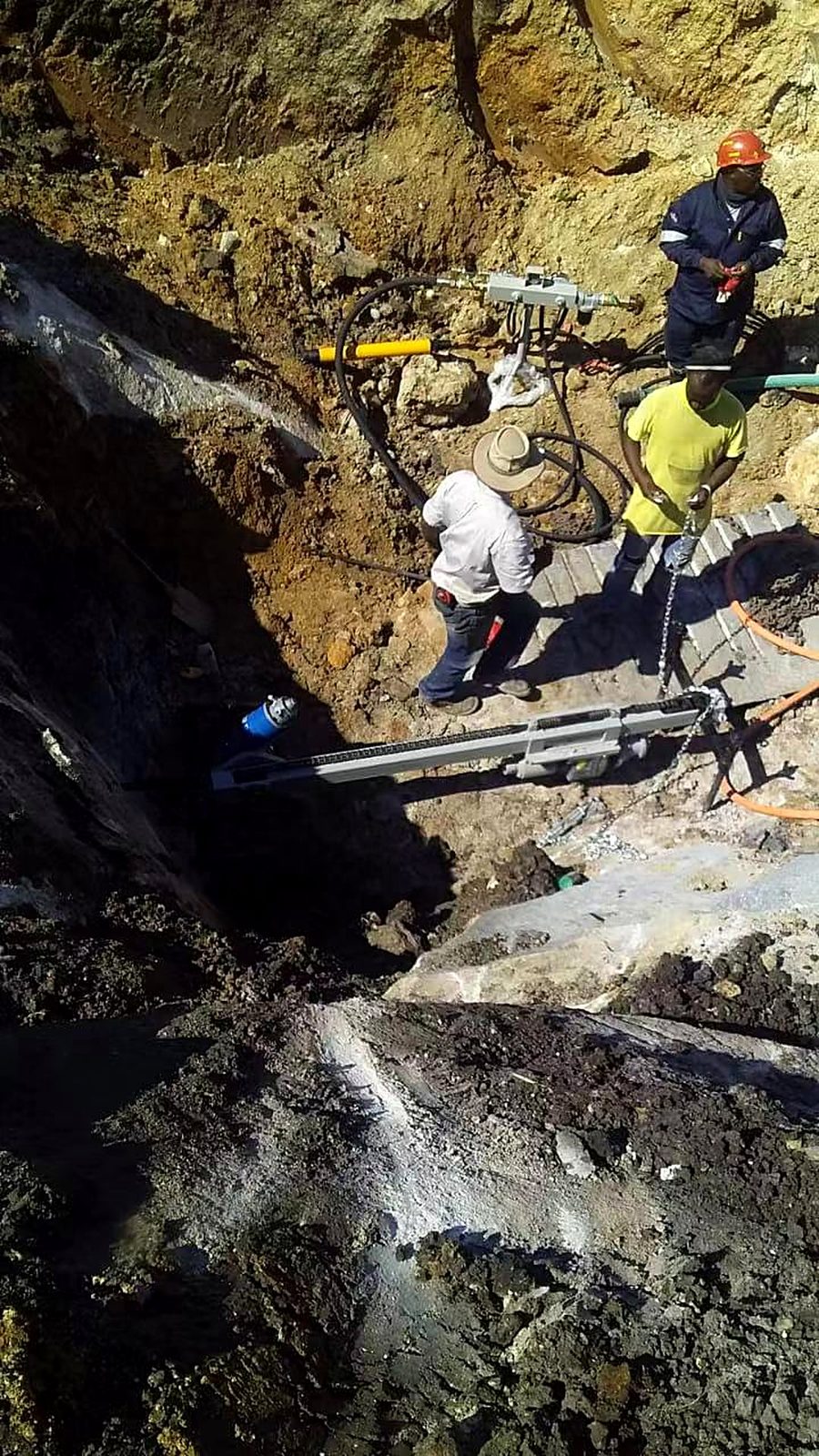
Quarry development drilling
Read the case →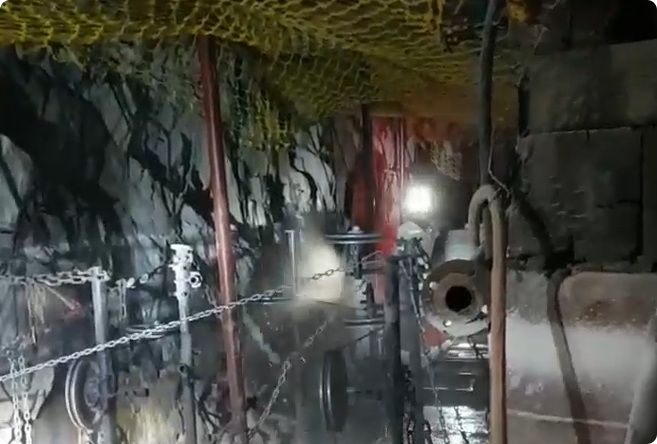
Confined underground stopes, low light, dust
Read the case →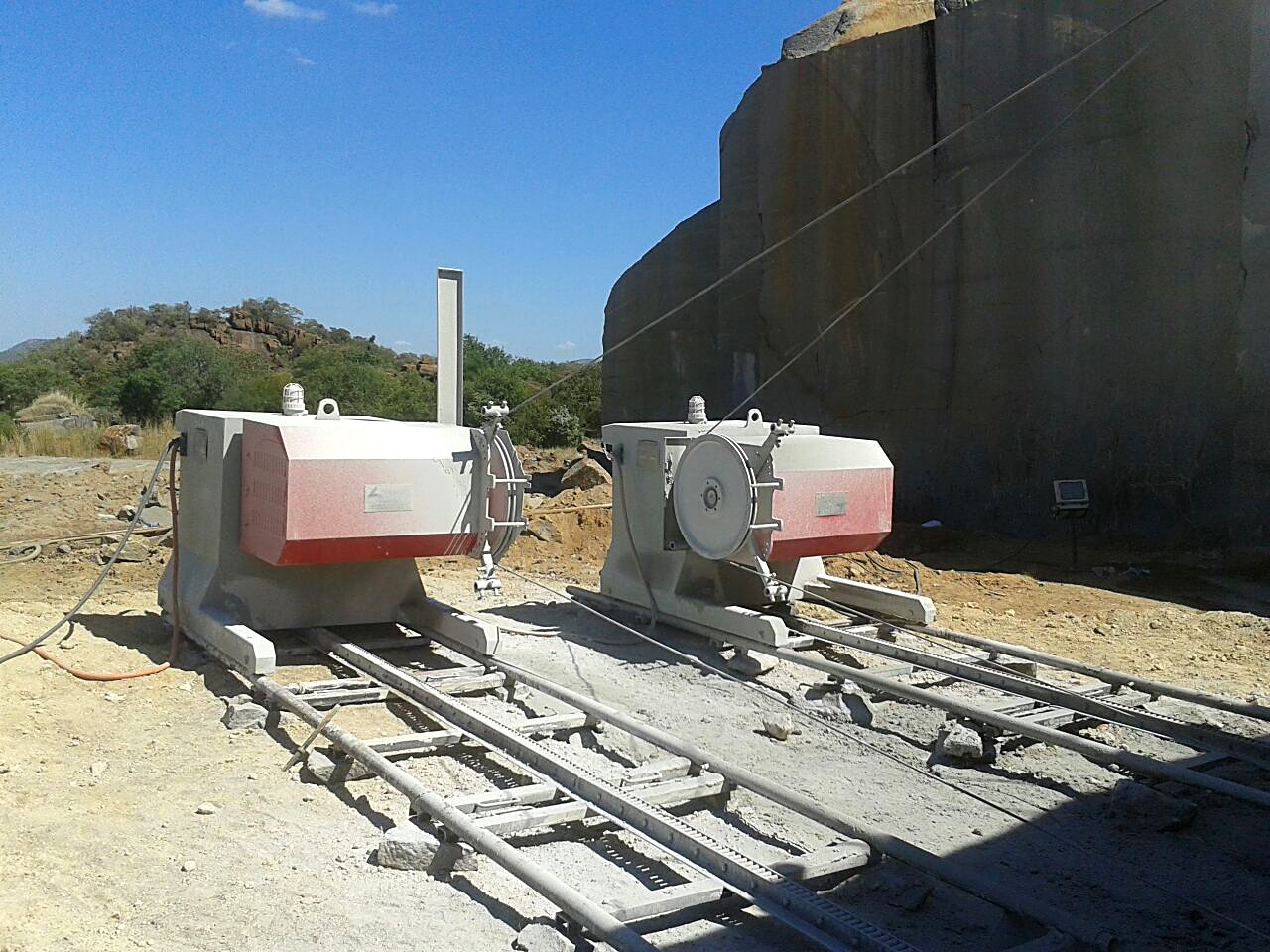
Reference installation, South Africa
Read the case →It follows from the cut, not from a power rating. Bench height, block size, wire length, number of passes per day and site power all feed into it. We ask those questions first — that is why a 55kW machine is sometimes the better answer than a 75kW one.
Yes. For new quarry applications we support on-site testing so the bead type, concentration and joint style are validated against your actual rock before you scale up.
We treat it as a system problem. Cutting parameters, rail alignment, pulley layout, water flow and wire tension are all checked before blaming the product. In most cases the issue is in the setup, and it is cheaper to fix there.
Material, machine power, section size and site conditions are enough for us to start. We will come back with a specification and an honest view of whether it will work.
