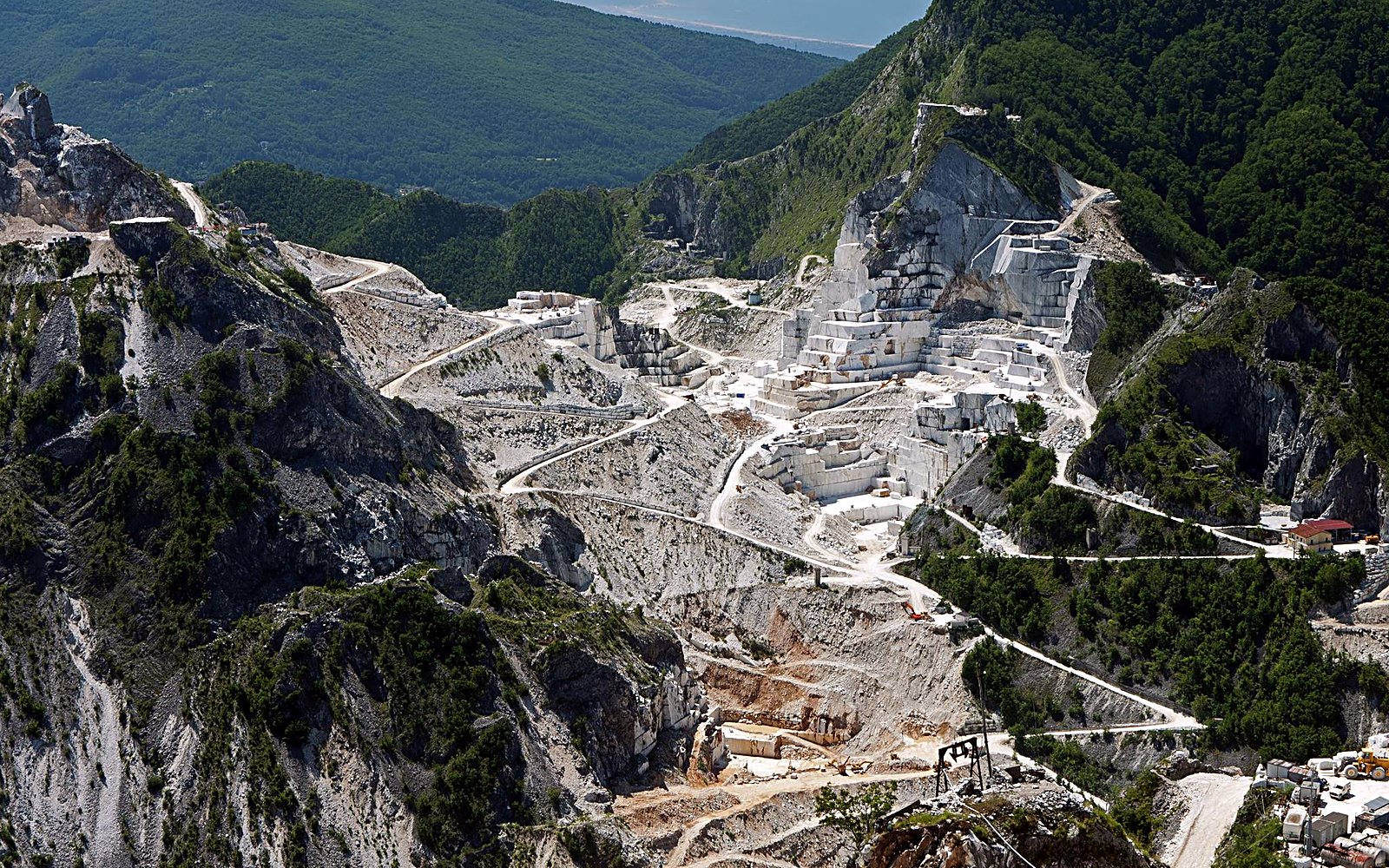
Turning a quarried block into a finished slab — cutting, grinding and polishing with tools matched to the material at every stage.
Between the quarry and the finished surface there is a long chain of cutting and finishing operations, and each one has its own tool requirement. Selecting them as a chain rather than one at a time is what keeps quality consistent and cost per square meter under control.
Four stages, from block to finished slab — specified as one continuous tooling chain rather than four separate purchases.
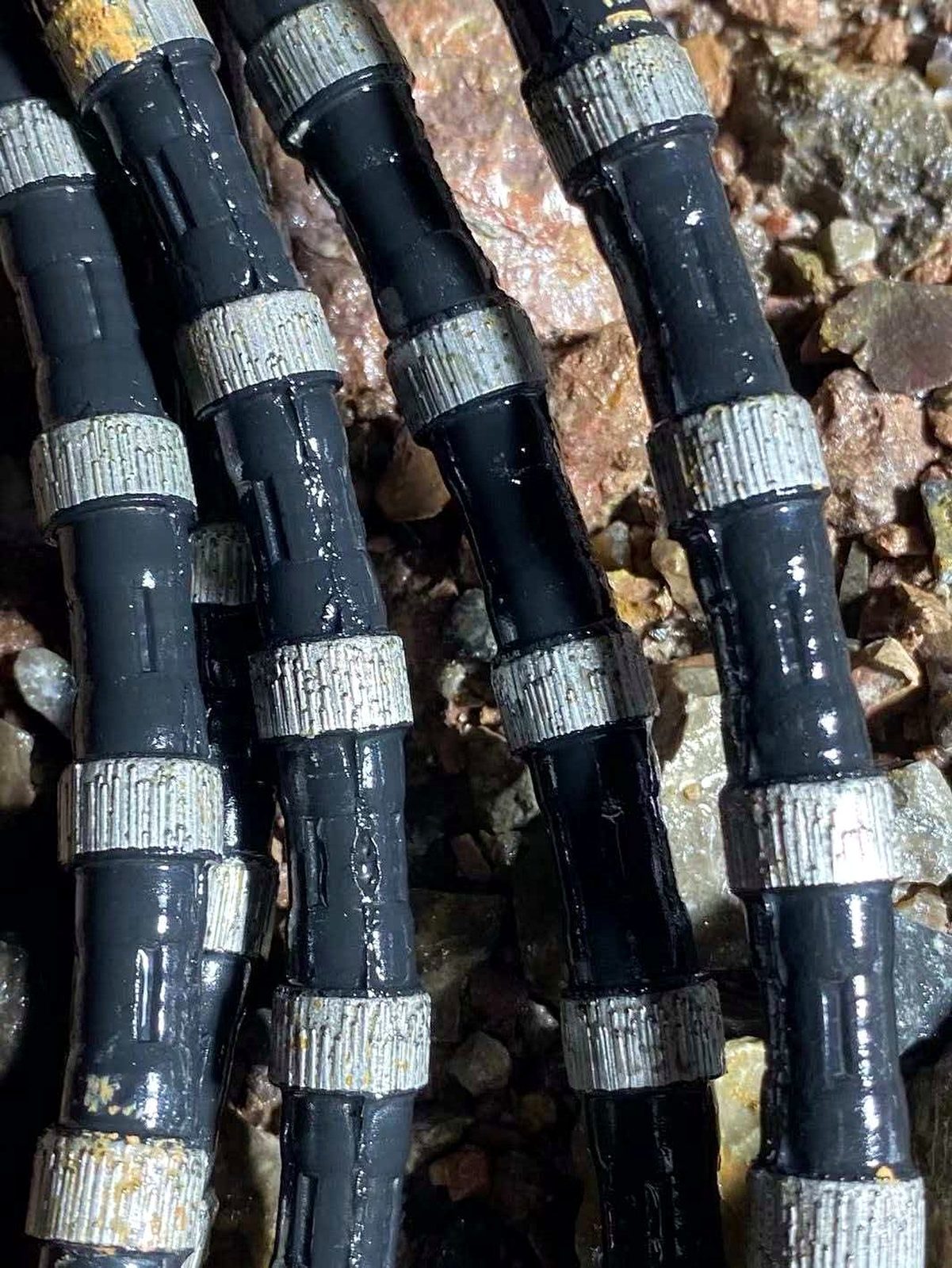
Multi diamond wire and mono diamond wire systems for block squaring and slab production, including ultra-thin multi-wire for reduced kerf loss.
Diamond blades and segments for dimensioned cuts where tolerance and edge quality matter.
Fickerts, grinding tools and Frankfurt brushes for surface calibration and preparation.
The full polishing train from coarse through to final finish with polishing pads and hand pads — matched to granite, marble or engineered stone.
Tooling is selected against the process stage and the finish you are targeting, then matched to the machine driving it.
Projects where the tooling chain was specified together, from block cutting through to the finished surface.
Throughput and kerf loss. Running many thin wires in one pass cuts more slabs per cycle, and the thinner wire removes less material — which matters when the block is expensive.
It depends on the stage and the finish you are targeting. We usually recommend the set as a chain so the grit progression is continuous rather than jumping between suppliers.
Yes, though the bond and grit specification differs. Tell us the material and the machine and we will specify accordingly.
Material, machine power, section size and site conditions are enough for us to start. We will come back with a specification and an honest view of whether it will work.